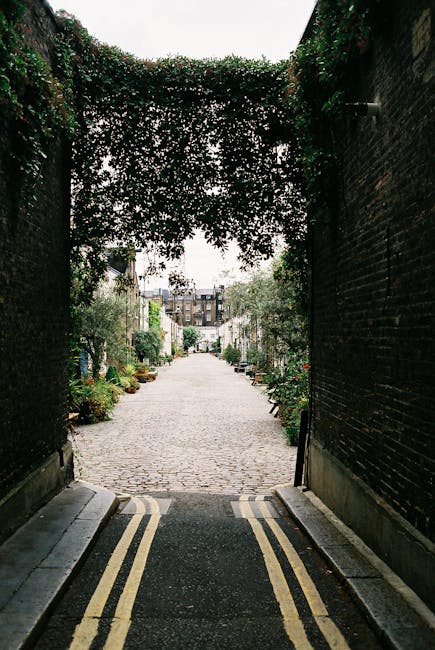
SE16 gardeners guide for Maltby Street Market front gardens

If you live or work near Maltby Street Market, you already know the front garden situation can be a bit of a balancing act. Space is tight, foot traffic is constant, and the area has that lived-in London feel where a neat entrance really does change how a property looks and feels. This SE16 gardeners guide for Maltby Street Market front gardens is here to help you make practical decisions, avoid common mistakes, and keep a small urban front space looking tidy without turning it into a full-time job.
Whether your front garden is a narrow strip, a paved setback, or a small planting pocket that catches every bit of market dust and weather, the right approach matters. You want something attractive, manageable, and realistic for SE16 conditions. Not fussy. Not fragile. Just well planned, clean, and welcoming.
Below, you will find a clear breakdown of what works, what does not, and how to keep a front garden near Maltby Street Market looking sharp through busy weeks, wet months, and the occasional accidental trampling. Simple enough. But not simplistic.
- Why this guide matters
- How front garden care works in this area
- Key benefits and practical advantages
- Who this is for and when it makes sense
- Step-by-step guidance
- Expert tips for better results
- Common mistakes to avoid
- Tools, resources and recommendations
- Law, compliance and best practice
- Options and comparison table
- Case study example
- Practical checklist
- Conclusion
- Frequently asked questions
Why SE16 gardeners guide for Maltby Street Market front gardens Matters
Front gardens around Maltby Street Market are not just decorative. They shape first impressions, affect day-to-day upkeep, and can even influence how safe and usable the entrance feels. In a busy part of SE16, you need planting and surfaces that can cope with a bit of wear, a bit of grime, and very little spare time.
Let's face it: a front garden near a popular market is exposed to more than the usual local conditions. You may deal with passers-by cutting corners, bicycle wheels nudging borders, food-market litter drifting around, or soil getting compacted faster than you expected. That means the garden needs to be practical first and pretty second, though ideally both. In our experience, the best results come from designs that are simple, durable, and easy to reset after a busy weekend.
This matters for homeowners, landlords, and small business premises alike. A tidy frontage can improve perceived care, reduce ongoing mess, and make the whole property feel more grounded. If you are comparing maintenance options, it can help to look at broader garden maintenance support rather than trying to handle everything yourself in one frantic burst.
There is also a confidence factor. When a front garden feels under control, the whole property feels under control. Small thing, maybe. But in a dense urban setting, small things add up quickly.
How SE16 gardeners guide for Maltby Street Market front gardens Works
The idea is straightforward: assess the space, choose resilient features, and build a routine that fits the reality of SE16 living. A front garden in this part of London usually needs to do several jobs at once. It should welcome visitors, frame the property, manage drainage where needed, and stay neat with minimal fuss.
Start by looking at the existing layout. Is the space mostly paved? Does it have a soil bed that dries out or floods? Are there boundary hedges, low walls, planters, or tree roots affecting the area? Once you understand the shape and pressure points, decisions become much easier. That's the boring bit, but honestly, it saves a lot of trouble later.
From there, the work usually falls into a few practical categories:
- Surface care - sweeping, weed control, moss removal, and keeping paving safe and presentable.
- Plant care - selecting hardy shrubs, compact perennials, or structured planting that can handle London conditions.
- Boundary management - trimming hedges, maintaining edging, and keeping lines crisp.
- Seasonal reset - clearing debris after storms, trimming back overgrowth, and refreshing tired areas.
- Access and safety - making sure the entrance is tidy, visible, and easy to navigate.
If the front garden has become overgrown or cluttered, a one-off clearance can be the easiest way to start fresh. A service such as garden clearance is often the quickest route back to a workable base, especially where weeds, waste, and old pots have piled up over time.
The guiding principle here is simple: design for maintenance, not for fantasy. A front garden that looks lovely for two weeks but becomes messy for six months is not really a win.
Key Benefits and Practical Advantages
A well-managed front garden near Maltby Street Market brings more than visual appeal. The biggest advantage is that it reduces friction. You do less reactive work, deal with fewer surprises, and spend less time feeling as though the space is constantly slipping away from you.
Here are the main benefits people notice:
- Better curb appeal - the property looks cared for from the street, which matters in a busy, characterful area.
- Lower maintenance stress - simple planting and clean hard surfaces are far easier to manage.
- Safer access - clear paths and tidy edges reduce trip hazards and awkward bottlenecks.
- Improved durability - hardy plants and robust materials cope better with urban conditions.
- More usable space - even a tiny frontage feels more valuable when it is organised properly.
There's also a quieter benefit: a good front garden changes how you feel when you come home. Sounds sentimental, but it's true. Coming back to a clean, green, ordered entrance after a long day is strangely calming.
For properties that need regular upkeep, the smartest move is often to combine targeted work with ongoing care. If lawns are part of the frontage, even in a small strip or pocket, lawn mowing can be folded into a wider routine so the space never gets out of hand.
And if the frontage includes taller planting or boundary shrubs, a neat finish from hedge trimming often makes more difference than replacing plants entirely. Good edging can make an average garden look intentional. That little bit of definition goes a long way.
Who This Is For and When It Makes Sense
This guide is useful for homeowners, landlords, renters with permission to improve the frontage, and local businesses that want a better street presence. It is especially relevant if your front garden is small, exposed, or hard to maintain because of traffic and weather.
You may need this approach if any of the following sound familiar:
- The garden looks tired after every rainy spell.
- Weeds return quickly between paving or borders.
- The space has become cluttered with pots, dead plants, or leftover materials.
- You want a neater entrance without committing to high-maintenance planting.
- You are preparing a property for sale, letting, or a change of use.
- You simply want the frontage to look respectable, which is fair enough.
It also makes sense if you are mid-renovation and the front garden has been neglected while other work took priority. That happens a lot. Life gets noisy, the garden slips, and suddenly the entrance is the last thing anyone wants to think about. In that situation, a structured approach is much easier than trying to "sort it out later" for the fifth month running.
If you are comparing professional support, it may be worth reviewing the broader range of services overview first, then narrowing down to the tasks that are actually urgent. Not everything needs doing at once. In fact, that's usually where people go wrong.
Step-by-Step Guidance
The best way to improve a Maltby Street Market front garden is to work in order. A methodical reset is almost always better than random tidying. Here is a practical sequence that works well in SE16 conditions.
-
Clear the space properly
Remove dead plants, broken pots, loose rubbish, and anything that blocks access. If the area has been neglected, a full tidy can reveal hidden issues like compacted soil, drainage puddles, or damaged edging.
-
Inspect the surface
Check paving, gravel, soil beds, and retaining edges. Look for wobbling slabs, weed growth between joints, slippery patches, or places where water gathers after rain.
-
Decide what stays
Keep only what genuinely contributes to the look and function of the garden. If a plant is constantly dying, it may not be the right plant. If a decorative item just collects grime, well, maybe it's time to let it go. Harsh? Maybe. Useful? Definitely.
-
Choose low-fuss planting
For this kind of frontage, use resilient, compact plants with predictable growth habits. Structure matters more than sheer variety. Repeating a small number of textures can look smarter than a crowded mix.
-
Trim edges and boundaries
Clean lines at the hedge, wall, or boundary edge instantly improve the look of a front garden. This is where small maintenance jobs pay back quickly.
-
Set a maintenance rhythm
Choose a simple schedule: weekly or fortnightly checks in the growing season, and lighter monthly attention in quieter periods. The point is consistency, not perfection.
If the frontage includes structural elements such as sleepers, raised beds, or a seating platform, consider whether landscaping could make the space easier to manage. Sometimes the answer is not more planting. Sometimes it is better layout.
And if you are starting from a very rough patch, taking the garden back to a blank, workable state first is often the smartest first step. You can always add detail later. You cannot easily add order to chaos without clearing the chaos first.
Expert Tips for Better Results
A few small decisions make a big difference in front gardens around Maltby Street Market. These are the things that tend to separate "okay" from "actually looks good".
- Use repetition. Repeating one or two plant types creates calm and makes upkeep easier.
- Keep edges sharp. Crisp borders and straight lines help even small spaces look intentional.
- Leave breathing room. Crowding plants into every available inch usually creates more maintenance, not more beauty.
- Think about winter first. A frontage that only looks good in summer is not enough in SE16.
- Plan for foot traffic. If people walk close to the garden, use tougher plants and protected edges.
Another tip: be conservative with colour. Too many competing colours can make a tiny front garden feel messy very fast. One strong accent, perhaps with foliage texture rather than flowers alone, often reads better from the street.
For properties with mature shrubs or boundary trees, occasional specialist work may be needed. A service such as tree lopping and removal should be considered carefully and only where appropriate, particularly if growth is affecting light, safety, or structure. Not every tree needs to go, of course. Some just need sensible management.
And yes, this sounds obvious, but sweep the frontage more often than you think you need to. Market areas collect little bits of life: dust, leaves, wrappers, soil crumbs, all of it. A two-minute sweep can save you a bigger Saturday job. Trivial? Maybe. Effective? Absolutely.
Common Mistakes to Avoid
Front garden projects often go wrong for the same handful of reasons. The good news is that these mistakes are easy to spot once you know what to look for.
- Choosing high-maintenance plants that need constant pruning, feeding, or rescue.
- Overfilling the space with pots, ornaments, and layered planting that leaves no visual rest.
- Ignoring drainage so the space becomes muddy, slippery, or patchy after rainfall.
- Letting weeds establish in paving joints, gravel, and border edges.
- Skipping regular trimming until hedges or shrubs become oversized and awkward.
- Using materials that clash with the property or surrounding streetscape.
The biggest mistake, in truth, is trying to make the garden do too much. If the frontage is tiny, it cannot be a woodland, a sitting area, a wildlife haven, and a low-maintenance showpiece all at once. Pick the main job. Then support it.
Another common issue is leaving old debris in the corners because it "doesn't look that bad." It usually is that bad. Maybe not today, but by the next damp week, it will be.
If you are working with a busy exterior and a limited budget, phasing the work can be sensible. Start with clearance and structure, then improve planting, then add finishing touches. Trying to do everything in one go can backfire, especially if the garden is already under stress.
Tools, Resources and Recommendations
You do not need a huge kit to keep a front garden near Maltby Street Market in good order, but you do need the right basics. A few reliable tools beat a shed full of things you rarely use.
| Task | Useful tool or resource | Why it helps |
|---|---|---|
| Sweeping and surface care | Stiff brush, hand broom, dustpan | Keeps the frontage tidy and prevents debris building up |
| Weed control | Hand weeder, edging tool | Removes growth before it spreads through joints or borders |
| Plant shaping | Bypass secateurs, hedge shears | Maintains clean lines without tearing stems |
| Clearing overgrowth | Collection bags, garden waste bins, clearance support | Makes larger tidy-ups manageable and less disruptive |
| Design planning | Notebook, tape measure, rough sketch | Helps avoid overcrowding and poor layout decisions |
For more involved work, especially if the garden has become cluttered or the layout needs a rethink, a professional approach may be better than a patch-up. Many people start with maintenance, then realise the whole frontage would benefit from a smarter layout. That is where broader support like landscape gardening can be valuable, because it looks at the space as a whole rather than just the visible mess.
If sustainability matters to you, it should, really, then ask about responsible green waste handling and reuse where possible. A strong recycling and sustainability approach can reduce waste and keep the project cleaner from start to finish.
Useful support documents also matter more than people think. If you are hiring help, it is sensible to understand basics around insurance and safety, plus how payment and security are handled. Not glamorous, no. Important, absolutely.
Law, Compliance, Standards, or Best Practice
For front gardens in SE16, compliance is usually less about complicated legal drama and more about common-sense responsibility. You want the entrance to be safe, not obstructive, and well maintained. If a garden fronts a public footpath or shared route, overgrowth, loose paving, or encroaching branches can become a real nuisance.
Best practice usually means keeping access clear, making sure hard surfaces are not slippery or broken, and handling waste appropriately. If work involves cutting larger branches, removing mature growth, or managing awkward edges near power lines, that is not the moment to improvise. Get it assessed properly.
For landlords and managed properties, regular upkeep is especially sensible because neglected front gardens can create complaints quickly. Small issues tend to look bigger from the street. A messy entrance suggests the whole property is being half-looked-after, even when the rest is fine.
There is also a straightforward duty of care around safety. Tools should be used properly, ladders should not be treated like a personality test, and jobs should be planned so they do not expose residents or visitors to avoidable risk. A good contractor should be able to explain how they work and what precautions they take.
If you need reassurance about the business side, it is reasonable to review a company's terms and conditions and understand how issues are handled through a complaints procedure. That sort of transparency is a good sign. Quietly reassuring, not flashy.
Where accessibility matters, especially for visitors or residents with mobility needs, keeping the route open and surfaces even is more than a nice touch. It is part of good garden practice. If you want a clearer sense of the company's public commitments, their accessibility statement can be useful context.
Options, Methods, or Comparison Table
Different front gardens need different levels of intervention. Here is a simple comparison of common approaches.
| Approach | Best for | Pros | Trade-offs |
|---|---|---|---|
| Light tidy-up | Gardens already in decent condition | Quick, affordable, low disruption | Won't solve structural or layout issues |
| Regular maintenance | Active homes and busy properties | Keeps things under control year-round | Requires consistency |
| Clearance and reset | Overgrown or neglected spaces | Creates a clean starting point | Can feel more disruptive at the outset |
| Full redesign | Spaces with poor layout or repeated maintenance issues | Long-term improvement and better function | More planning, more investment |
In practical terms, most people near Maltby Street Market do best with a mix of the first two, or a clearance followed by maintenance. Full redesign is brilliant when needed, but not every frontage needs it. Sometimes you just need the place to stop fighting you every week.
If hard landscaping is part of the solution, for example to improve edges, create a cleaner entrance, or define a small planting area, decking services may be relevant in the right setting. That said, decking is not always the answer. Nice material, yes. Magic wand, no.
Case Study or Real-World Example
Here is a realistic scenario based on the kind of frontage often seen around SE16. A narrow front garden near Maltby Street Market had become a catch-all for pots, leaf litter, a few tired shrubs, and some paving joints that had turned green with moss. Nothing dramatic. Just the sort of place that slowly drifts from "fine" to "I keep meaning to sort that".
The first step was a proper clearance. Dead growth came out, unused items were removed, and the paving was swept and checked. That alone made the space feel twice as big. Then the planting was simplified: one compact evergreen structure, a small seasonal accent, and space left open around the edges so the frontage could breathe.
A few weeks later, the difference was less about glamour and more about ease. The entrance looked tidy after rain, the path felt safer, and maintenance took minutes rather than an afternoon. That is the real win. Not a perfect magazine garden, but a front garden that works with real life.
There was also a lesson in restraint. The homeowner originally wanted more pots, more colour, more "interest". In the end, the cleaner design looked better and took less effort. Slightly less exciting on paper, much better in practice. Funny how that works.
Practical Checklist
Use this checklist before, during, or after improving a front garden near Maltby Street Market.
- Clear away waste, dead plants, and loose clutter.
- Check for slippery paving, broken edging, and drainage issues.
- Trim back hedges, shrubs, and boundary growth.
- Keep planting compact and suitable for urban conditions.
- Leave enough open space for access and easy cleaning.
- Choose materials that suit the property and the street.
- Set a weekly or fortnightly maintenance habit.
- Review whether specialist help is needed for larger jobs.
- Think about sustainability and waste handling from the start.
- Revisit the space after rain to spot hidden problems early.
If you can tick most of those boxes, you are already ahead of the game.
Conclusion
A strong front garden near Maltby Street Market does not need to be elaborate. It needs to be well chosen, well maintained, and honest about what the space can realistically do. That is the heart of this SE16 gardeners guide for Maltby Street Market front gardens: keep it practical, keep it neat, and do not let the frontage become a weekly headache.
Start with clearance if needed, simplify the planting, keep the edges sharp, and build a maintenance rhythm you can actually live with. That combination will usually beat any complicated design that only works in theory. And if you are still deciding between a tidy-up and a bigger reset, a little expert input can save a lot of second-guessing.
Get a free quote today and see how much you can save.
Sometimes the best garden work is the kind that quietly makes your day easier every time you walk up to the door. Nice, simple, and solid. No drama.
Frequently Asked Questions
What makes front gardens near Maltby Street Market different from other SE16 gardens?
They are usually more exposed to foot traffic, street debris, and frequent visual scrutiny. That means the best designs are compact, tidy, and easy to maintain rather than highly delicate or cluttered.
Do I need a full redesign, or is maintenance enough?
It depends on the condition of the space. If the frontage is basically sound, maintenance may be enough. If it is overgrown, awkward, or poorly laid out, a clearance or redesign may be a better investment.
What plants work best for a small front garden in SE16?
Hardy, low-fuss plants with controlled growth tend to work best. In general, choose structure over novelty. Compact shrubs, tough perennials, and plants that cope with urban conditions are usually safer choices.
How often should a front garden be maintained?
For most busy London properties, a light weekly or fortnightly check works well during the growing season, with less frequent maintenance in quieter months. The exact rhythm depends on planting and exposure.
Is garden clearance worth doing before any other work?
Yes, if the garden is cluttered or overgrown. Clearance gives you a clean base, helps you see the real layout, and makes later decisions much easier. It is often the most sensible first step.
Can a small front garden still look attractive without much upkeep?
Absolutely. The trick is to keep the design simple, choose resilient plants, and avoid overcrowding. A small, calm frontage often looks better than an overworked one.
What should I do if the paving is slippery or messy after rain?
Check for moss, weeds, poor drainage, or surface damage. A proper sweep and clean can help, but if the issue keeps returning, it may point to a bigger maintenance or surface problem.
When should I call in a professional gardener?
Call one in when the job is bigger than a standard tidy-up, when access is awkward, or when you want a more reliable long-term plan. It is also sensible for large hedge work, major clearance, or layout changes.
Can hedge trimming make that much difference to a front garden?
Yes, very much so. A sharp hedge edge can make the whole frontage look cleaner and more intentional, even if the rest of the garden is modest.
What is the biggest mistake people make with small front gardens?
Trying to do too much. Too many plants, too many pots, too much variety, too little breathing room. Simplicity almost always works better in small urban spaces.
How do I keep the frontage looking good through winter?
Focus on structure, evergreen presence, and clean surfaces. Winter is when weak designs show up fast, so the goal is to avoid mess, soggy borders, and overcrowding.
How do I choose between landscaping and regular maintenance?
If the problem is mainly mess or seasonal growth, maintenance is likely enough. If the layout itself causes repeated problems, landscaping may create a more lasting fix. The right answer depends on how the space behaves day to day.